Personalized Home Builder Development: Your Vision, Our Expertise
Custom home builder design represents a vital junction of personal vision and professional craftsmanship. Homeowners face various challenges throughout the process, from budgeting to unexpected site issues. Understanding these complexities is imperative for a successful outcome. Collaborative planning with a builder can enhance the experience markedly. However, many may overlook key aspects that can make or break their dream home. What are the fundamental steps to guarantee that vision turns into reality?
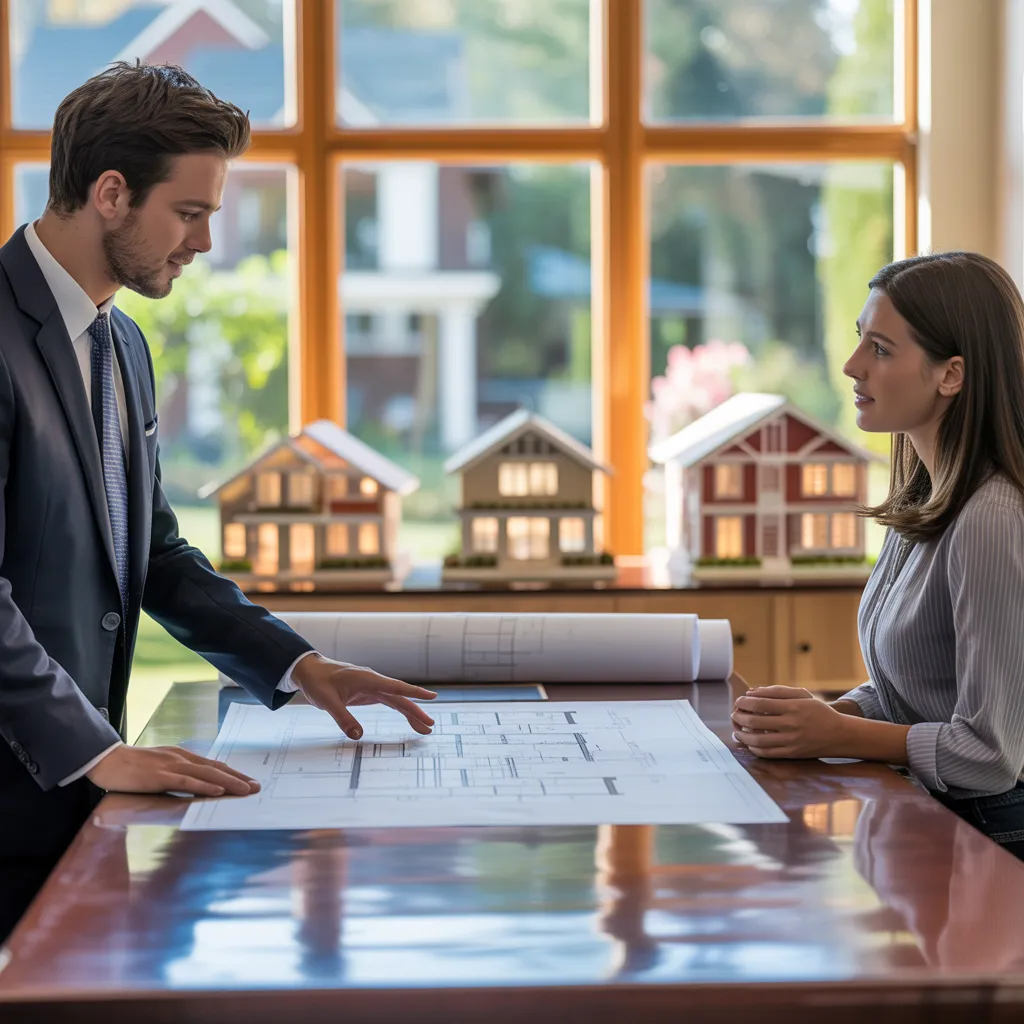
What to Know When Building Your Custom Home: Usual Hurdles and Approaches
Building a bespoke residence can be an exciting yet complex journey. Prospective homeowners often encounter common obstacles that can arise during the construction process. One prevalent issue is controlling schedules, as delays can result from various factors such as weather conditions or supply chain disruptions. To mitigate this, strong dialogue with the builder and regular progress check-ins are essential.
Another obstacle entails handling design changes, which can occur as homeowners improve their vision. Establishing a clear, detailed plan from the beginning can help minimize alterations and associated costs.
Financial limitations present a considerable challenge, often triggering compromises on desired features. Homeowners should emphasize their critical requirements and be open-minded to locate viable solutions.
Ultimately, unexpected site issues, such as ground conditions or zoning regulations, may emerge, necessitating quick solutions. Employing qualified specialists can assist in resolving these challenges efficiently, ensuring a more streamlined building experience.
Financial Advice for Your Dream Home
When designing a personalized residence, setting a defined financial plan is crucial. Homeowners should identify their priorities, explore various funding alternatives, and prepare for unexpected expenses. These measures can help guarantee that the dream home stays financially feasible throughout the construction phase.
Establish Your Priorities
How can one prioritize their spending plan when commencing the undertaking to design their cherished home? First, it is paramount to determine vital features that rank highest, such as room arrangement, total area, and environmental efficiency. Prioritizing these elements helps channel funds more effectively. Next, formulating a budget range guides determinations, allowing homeowners to contrast between must-haves and nice-to-haves. It's critical to factor in unpredictable expenses; setting aside a backup fund can prevent financial hardship. Researching products and finishes in advance can also facilitate in arriving at well-informed decisions. Finally, involving a residential builder from the start in the endeavor can furnish valuable insights on affordable solutions, ensuring that the final design aligns with both vision and budget.
Explore Financing Choices
Exploring financing options is a essential phase in the journey to creating a dream home. Homebuyers should begin by evaluating their budget, determining how much they can afford without compromising financial stability. Traditional mortgage loans are a common choice, but alternatives like building loans or personal loans can also be considered. It's important to compare interest rates and terms from various lenders to find the best fit. Additionally, obtaining preliminary approval can streamline the building process and strengthen negotiating power. Buyers should also account for additional costs such as land acquisition, permits, and construction insurance. By clearly understanding their financing landscape, homeowners can effectively navigate the path to their ideal custom home.
Plan for Unexpected Events
Anticipating contingencies is essential when budgeting a dream home. Home building projects often reveal unexpected difficulties, such as volatile material costs or latent structural complications. To alleviate financial stress, experts suggest setting aside at least 10-15% of the construction budget for contingency funds. This reserve can resolve surprises without derailing the project. Equally important, maintaining open communication with the custom home builder assures that any emerging issues are expeditiously resolved, reducing project delays and extra expenses. Homeowners should also evaluate including a contingency period in the project timeline, allowing flexibility for foreseeable delays. By strategically planning for contingencies, homeowners can build a more resilient budget and augment the probability of accomplishing their dream home within their financial limits.
Clarifying Your Home Design Vision: Spatial Design, Decorative Approach, and Functionality
Establishing a home design vision involves a comprehensive knowledge of individual taste, the usefulness of rooms, and the overall layout flow. By identifying these important aspects, homeowners can create a cohesive setting that meets their needs and design goals. This process is essential for transforming a dream home into a usable space.
Discovering Your Style Choices
How can one effectively discover their design inclinations when conceiving a custom home? To start, individuals should explore various architectural styles, such as modern, traditional, or farmhouse, by using online resources and checking model homes. Creating a mood board with visuals, palettes, and textures can help clarify visual preferences. Furthermore, evaluating personal belongings and current home decor can reveal intrinsic tastes. Having talks with friends or family about their design choices may also offer motivation. Ultimately, taking into account lifestyle needs and aesthetic desires will support narrowing down options. This process not only promotes self-awareness but also guarantees that the final design feels authentic, laying the groundwork for the custom home journey.
Highlighting Space Utility
Recognizing personal style preferences sets the stage for prioritizing space functionality in a bespoke residence. This involves recognizing how each area will be utilized and ensuring that the design supports these needs. Functional spaces should encourage comfort and efficiency, supporting activities such as cooking, entertaining, or relaxation. Consideration of natural light, traffic patterns, and furniture placement is crucial in this phase. Additionally, integrating multi-functional elements, like built-in storage or convertible spaces, can improve usability. The goal is to create a equilibrium between aesthetics and practicality, making certain that each room fulfills its intended purpose while expressing the homeowner's distinctive style. Ultimately, emphasizing practical design improves the overall living experience in a custom-built residence.
Improving Layout Flow
Optimizing design flow enhances the overall feel of a custom home by ensuring that areas connect seamlessly and function cohesively. A well-considered layout promotes ease of movement, allowing inhabitants to shift smoothly from one area to another. Key elements include aligning key spaces, such as the kitchen, dining, and living areas, to foster interaction while maintaining privacy in bedrooms and bathrooms. Incorporating open concepts can further enhance connectivity, making rooms feel more spacious and inviting. Additionally, thoughtful placement of windows and doors maximizes natural light, contributing to a harmonious ambiance. By prioritizing layout flow, homeowners can create an environment that not only reflects their vision but also enhances daily living, ultimately adding value to their custom home.
The Key Role of Customization in Your Home Planning
Customization is a crucial element in home design, enabling homeowners to design a space that reflects their unique preferences and lifestyle. By incorporating custom features, like customized floor plans. chosen materials, and unique finishes, homeowners can guarantee their living environment meets their practical requirements and visual preferences. This practice strengthens feelings of belonging and attachment to the home, improving overall satisfaction.
Moreover, modification can substantially enhance a home's functionality. For instance, designing living areas that accommodate family dynamics or specific hobbies can create a more pleasant living experience. As trends progress, customized designs can also adapt to new needs over time, guaranteeing endurance and currency.
In the end, the value of tailoring in home design lies in its power to change a house into a true home, where every detail is carefully planned to boost the owner's daily life. The result is a unique haven that truly captures the owner's vision.
What's the Best Way to Work Productively With Your Builder?
Productive partnership with a builder is essential for successfully bringing a homeowner's aspiration to life. Clear communication takes precedence of this partnership. Homeowners should articulate their desires and expectations, confirming that the builder fully recognizes their goals. Regular updates and meetings can support this communication, allowing both parties to handle worries and modifications without delay.
Planning a timeline and budget at the start mitigates disputes. Homeowners must remain flexible, as unexpected modifications might surface due to surprising situations or creative ideas during the construction phase. Trusting the builder's skill is vital; they can furnish valuable input based on experience and industry standards.
Moreover, leveraging a joint management system or project management tool can facilitate information sharing and document progress. Ultimately, a successful partnership between the resident and builder relies on mutual respect, honesty, and a shared commitment to the initiative, shifting a vision into concrete form.
Selecting Materials and Surface Treatments to Improve Your Home's Visual Appeal
Determining the proper selections of materials and finishes is critical, as it powerfully shapes the complete visual and operational aspects of a custom home. The selection of surfaces, extending from floors to counter surfaces, can markedly define the home's atmosphere, whether targeting a modern, rustic, or eclectic style. Fine finishes not only enhance visual appeal but also bolster durability and maintenance ease.
Homeowners need to reflect on considerations like palettes of color, textures, and eco-conscious living. For illustration, natural wood can bring forth warmth, and sleek metals may suggest a contemporary style. Weaving in sustainable alternatives can support core principles and today's design directions.
Additionally, the harmony between materials can produce a cohesive look, enabling spaces to transition fluidly. Engaging with a knowledgeable builder can deliver insights into the current styles and classic choices, ensuring that selections represent the homeowner's vision while addressing practical needs. Ultimately, careful material selection is crucial to achieving a personalized and practical living space.
Comprehending Your Project Timetable: What to Expect
How much time will the construction process require? This inquiry is critical for anyone beginning a personalized residence experience. Generally, the timeline can vary from multiple months to over a year, depending on various elements. These encompass the complexity of the design, the size of the home, and regional approval procedures.
The early phase usually involves site preparation and foundation work, which can take from a few weeks to a couple of months. Following this, framework and structural assembly work commence, often lasting several months. Inside work, which contains electrical, plumbing work, and visual design details, can also vary in duration.
Delays could result from weather conditions or supply chain issues, making clear dialogue with the builder essential. Understanding the construction timeline not only establishes realistic expectations but also helps homeowners plan their relocation accordingly, enabling a smoother shift to their new custom-built home.
Common Questions Asked
What Ways Can I Confirm My Home Expresses My Personal Style?
To secure a home represents personal style, one should define preferences, gather inspiration, and work alongside professionals. Incorporating one-of-a-kind components, hues, take action and materials allows for a space that accurately captures individual taste and lifestyle.
Which Permits Do You Require for Building a Bespoke Property?
To construct a custom home, essential permits usually feature a building permit, zoning clearance, electrical and plumbing documents, and possibly environmental assessments. Consulting government agencies confirms fulfillment of regulatory standards and streamlines the development process.
Can I make modifications throughout the construction phase?
Yes, adjustments can be made during the building phase. However, they may impact the schedule and budget. It's important to communicate any modifications with the builder to ensure viability and proper alterations are managed.
What's the Best Way to Pick a Builder for My Project?
Identifying the right contractor involves researching their experience, assessing past projects, obtaining client testimonials, and ensuring clear correspondence. Alignment with the constructor's vision and understanding of the project extent are crucial for a successful partnership.
What Widespread Design Directions Are Found in Custom Homes In Modern Times?
Contemporary design trends for custom homes present interconnected layouts, sustainable materials, smart home technology, uncluttered design, and outdoor living spaces. These elements convey an heightened focus on performance, environmental consciousness, and seamless indoor-outdoor shifts.